20 Easy Ideas For Picking Floor Installation
Hardwood Vs. Lvp: Which Floor Will Win On The Inside Of Philadelphia Homes?If you've received estimates for flooring in Philadelphia lately, then you've observed that nearly every flooring contractor talks about the same subject on hardwood or LVP? There's no easy answer but any flooring contractor who is licensed will tell you it depends significantly on the particular space that's being used, the house, and the home owner. Philadelphia's housing stock is distinct -- rowhomes older colonial houses, split-levels that span Bucks County, ranch homes in Delaware County -- and what's great on the one location could be a frustrating mistake in another. Here's what you have to know prior to making a decision.
1. Philadelphia's Older Homes Create Subfloor Complications
Most hardwood installation guides require a clean subfloor that's level. Philadelphia doesn't always cooperate. Properties built before 1970that covers a significant portion of the city and the counties surrounding it -- typically have subfloor irregularities, old subfloors of board instead plywood, or moisture issues from foundations that are old. LVP has the ability to deal with minor imperfections on subfloors more easily than solid wood, which can telegraph every scratch and dip that it encounters. A good flooring contractor will be able to assess the situation before offering your a choice.
2. Humidity is a Real Factor Here, Not Just a Sales Pitch
The Delaware Valley sits in a humid climate zone of the continental. Summers can be sticky, while winters tend to be dry. that swing is crucially important with regard to hardwood solid. Wood expands or contracts with fluctuations in humidity. In a Philadelphia rowhome that has inconsistent HVAC, the movement may cause cupping, gapping, or squeaking. LVP is dimensionally stableIt doesn't really care about humidity swings, which is the reason it's a great choice for basements, kitchens, and older homes without climate control.
3. Hardwood Still Wins on Long-Term Home Value
If you're in a nicer part within Montgomery County or a historic neighborhood such as Chestnut Hill or Society Hill, real hardwood flooring still commands attention during selling. Appraisers and buyers notice it, and the ability to sand and polish hardwood repeatedly over time, offers a longer lifespan LVP just can't match. High-quality LVP can be impressive however it cannot be refinished -it's not refinished once it's worn away this is the time to replace it.
4. LVP Installation Cost Is Consistently Lower
Through the Philadelphia metro -- city, Bucks County, Montgomery County, Delaware County, and South Jersey -- LVP installation is generally less expensive to install per square foot than solid hard wood. The material is lighter, can be cut more quickly, while the floating installation method that LVP uses is less labor period than nail down hardwood. If budget is a primary concern and you want an excellent result, LVP is where most inexpensive flooring installers in Philadelphia can direct you.
5. Nail-Down Hardwood requires the right Subfloor
Solid wood installed by nail-down is required to have a subfloor of sufficient thicknessusually 3/4 inches of plywood minimum. Many Philadelphia houses, particularly ones with concrete slabs or older diagonal boards requires subfloor repair or upgrades before nail-down is an option. By skipping this step, you can have problems within the first year. A licensed flooring installer will inform you of this in advance; budget contractors frequently don't.
6. LVP Is the Practical Winner of Bathrooms and Kitchens
Tiles for bathrooms are popular and is a popular choice, however LVP has taken over a significant portion of the kitchen and bathtub flooring in Philadelphia because it's water-proof, warmer underfoot than ceramic tile as well as easier to install. For those looking to create hardwood floors throughout the space, including wet areas LVP can provide visual consistency that hardwood isn't able to provide -- You're not using solid hardwood in the bathroom.
7. Custom staining is a distinct hardwood Advantage
One aspect LVP can't provide is customized staining. If you're looking for a floor color matched to your trim, your cabinetry, or a specific aesthetic -for example, a cool gray wash as well as a deep espresso or warmer provincial toneshardwood offers that the ability to design your own. Flooring professionals who are located in Philadelphia that specialize in custom staining can make a truly unique flooring. LVP comes in different color combinations. What you see in the package is exactly what you will receive.
8. Engineered Hardwood Places itself squarely in Middle
The reason it's so important is that many homeowners miss it: engineered hardwood offers a real wood-like surface that offers higher dimensional stability than solid hardwood. It's a viable middle-path one that's more resistant to moisture than solid and refinishable, it's more durable than LVP and is able to be used as floating flooring in cases where nail-down may not be practical. Some flooring specialists across Bucks and Montgomery County are recommending it currently for an excellent reason.
9. Finding a Free Flooring Estimate It lets you evaluate both options
A reputable flooring company in Philadelphia will quote you two materials in a side-by-side comparison if you ask. This is the most valuable thing you can decide before you make a choice. Cost differences which includes materials and labor is often a surprise to homeowners- sometimes it's narrower than expected, sometimes it's important. In any case, you're making a well-informed decision rather than being a guesser.
10. The most effective floor is the One that's customized to your Home
There's no universal winner. For instance, an 1920s rowhome South Philly with an uneven subfloor and no central a/c is something different than an old colonial house in Delaware County with a slab basement. Flooring installers who take time to visit your space to check the subfloor, ask about your household's activities children, pets and traffic patterns and then make a recommendation are the ones to hire. The ones who will push a flooring option regardless of your circumstance are the ones you should stay away from. Take a look at the best
flooring contractors Delaware County PA for website tips including flooring contractors Bucks County, floor installation Bucks County PA, LVP floor installation cost Philadelphia, tile flooring installation Philadelphia, ceramic tile flooring Philadelphia, flooring contractors Bucks County, ceramic tile flooring Philadelphia, hardwood floor installation South Jersey, LVP flooring contractors Philadelphia, affordable flooring installation Philadelphia and more.
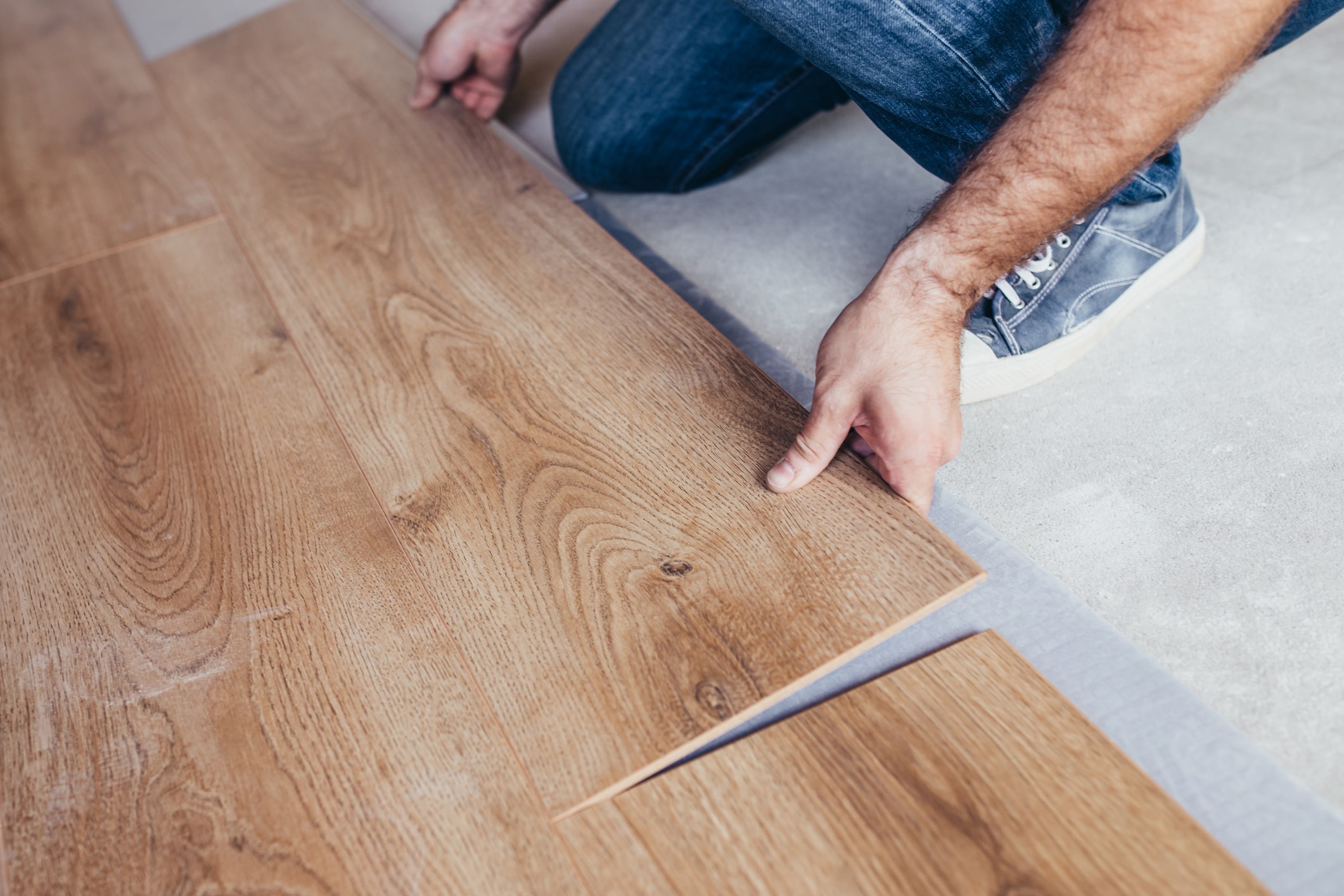
Waterproof Flooring Options For Philadelphia Bathrooms
Bathrooms are where flooring selections have the lowest chance of error. In every other room of a Philadelphia home can tolerate materials that are water-resistant and a bathroom isn't. The steam of showers, the water around the base of the toilet as well as splash zones in sinks as well as the general humidity that creates in a bathroom will show every defect in a flooring material that's not waterproof. Philadelphia homes come with additional issues Subfloors older than the time they were built that contain moisture, bathrooms that haven't been renovated since the 1970s and in a lot of rowhomes, bathrooms set above a finished living spaces. A flooring failure means a ceiling issue downstairs. What actually can work, what won't and the questions to ask before any bathroom floor goes into.
1. Porcelain Tile remains the Benchmark Everything else is compared to
There's good reason why porcelain tile has been the default bathroom flooring choice for decades since it's resistant to water at its tile's surface, and can withstand humidity and steam without deteriorating or deteriorating, and with proper installation and grout sealing it can outlast any other choice in wet conditions. Ceramic tile installation in Philadelphia bathrooms is the best option that has the longest documented track record. The drawbacks are evidentit is cold underfoot, abrasive joints, and grout maintenance necessary -- however no other material can match its performance in waterproofing and longevity in a bathroom.
2. Ceramic Tile Is a Legitimate step down, not an equivalent alternative
Ceramic and porcelain are frequently talked about interchangeably, but they're not the same product in a bathroom setting. There is more permeability in ceramic than with porcelain, which matters in a room where moisture is constant, not occasional. For a powder space or a low-use guest bathroom ceramic tile flooring is a sensible and affordable option. If you are looking to renovate a bathroom that is the primary one in a Philadelphia home that is subject to daily showering, the strength and resistance to moisture is more than worth the cost to the square foot. The installation process is the same and the results over time isn't.
3. LVP Is the Most Practical Waterproof Tile Alternative
Luxury vinyl plank has genuinely made its mark as a bathroom flooring option. The flooring itself is 100% waterproof. The core doesn't soak up water, the material doesn't degrade as humidity, and it's warmer and more comfortable than tile. The main caveat in installing LVP for bathrooms is that LVP's waterproofing will only apply to the planks in themselves, without necessarily being applied to the seams that connect them. Bathrooms with high water exposure, such as a walk-in shower that does not have a barrier, or a freestanding tub the water could make its way through the planks and end up on the subfloor. Proper installation technique and seam seals are essential more than any other room.
4. Laminate in a Bathroom Is a Mistake You'll Be Sorry for
It is important to state this clarly since laminate has a tendency to show up at the bottom of bathroom flooring cost estimates, often due to its low cost. Laminate comes with a wood-fiber core. Wood fiber and continuous bathroom moisture are incompatible. The edges swell, edges lift, the layer is separated, and the damaged areas accelerate in bathrooms more quickly than any other room in the home. Installation of flooring at a low cost that results in laminate in a Philadelphia bathroom is not the best deal -- it's an expense that will be delayed by just a few years. Any flooring company that recommends laminate for the primary bathroom should be inquired into why.
5. The Subfloor under a Philadelphia Bathroom Should be a true assessment
Older Philadelphia rowhomes and suburban colonials usually have bathroom subfloors with a long-standing past water damage, like leak staining, soft spots left from decades of exposure to water or boards from the initial subfloor with a higher amount of water than they are required to absorb over time. New flooring installed over the subfloor that is damaged doesn't resolve any of the issues, but it protects it from further damage while it continues to wear down. Subfloor repair in Philadelphia bathrooms prior to the installation of new flooring is laid down isn't an upsell -- it's a requirement for a new floor to function properly and not fail prematurely.
6. Floor Heating Compatibility Varies based on Material
Heating floors within bathrooms -- becoming increasingly frequent throughout Montgomery County and Delaware County home renovations -- isn't compatible with every flooring material. Porcelain tile is able to conduct and hold heat effectively, which makes it the perfect flooring option over an heated subfloor. LVP is ideal for radiant heating but has temperature thresholds that need respect -- too much heat could lead to distortion of the dimensions. If heating for the bathroom is an aspect of your renovation, the flooring material selection as well as the heating system's design need to happen in conversation with each other, not independently.
7. Bathroom Tile Layouts Affect Both the appearance and water management
This particular aspect can distinguish skilled tile flooring installers from those with no experience in how to put tiles. Bathroom floors require slightly inclined towards the drain, typically 1/4 inch per ft- to prevent standing water. Tile design that does not account to this fact, or combats it by using large-format tiles that span the incline, creates the problem of pooling and eventually works their way into the subfloor. The discussion about layout with your contractor must include the way in which the tile pattern interacts with the drainage location, in addition to how it appears on paper.
8. The choice of bathroom grout is an important decision
Standard sanded sanded groud in bathroom renovations requires sealing at installation and regular resealing over its lifetime. Epoxy grout, which is more durable in cost, more expensive, and more difficult to installIt is almost impervious staining or moisture and does not require sealing. The best choice for Philadelphia grouting in bathrooms in which the homeowner is looking for low maintenance epoxy grout is well-worth paying for the additional labor expense. For homeowners committed to regular maintenance of grout, traditional grout sealed efficiently. What's not performing is standard grout that's never sealed in a humid bathroom room.
9. Small Format Tile Managing Bathroom Floors Slopes Better
The trend toward large format tile -- 24x24 or larger that works well in living spaces and kitchens presents practical issues for bathrooms. Larger tiles are more difficult slope towards drains without causing noticeable unevenness. In addition, they require extremely flat subfloors in order to avoid lippage. Smaller-sized format tiles -- 12x12 and below and specifically mosaic tiles adhere to the contours of the bathroom floor more naturally, control the drain slope more gracefully, and provide greater grout lines, which improve slip resistance when wet. Philadelphia tile flooring contractors who have extensive experience in bathroom design will have this discussion in mind before design decisions are made.
10. Bathroom Flooring and Wall Tiles Should be Specified Together
An error that creates feelings of regret that are more aesthetic than functional issues -- but worth avoiding either way. Bathroom floor tiles and wall tile interact visually within a limited space in ways that are difficult to see through only a handful of samples. Pattern direction, scale, grout color, and even the finish each need to be taken into account together. Flooring contractors that also handle bathroom tile installation Philadelphia work will be able coordinate this. People who are only responsible for flooring and leave wall tiles to a different contractor, create situations where the final result appears as though two people took decisions independently - because they did. Take a look at the top Follow the top rated floor installation Bucks County PA for site info including bathroom tile installation Philadelphia, floating hardwood floor installation Philadelphia, ceramic tile flooring Philadelphia, floating hardwood floor installation Philadelphia, bathroom tile installation Philadelphia, hardwood flooring Philadelphia, custom hardwood staining Philadelphia, nail down hardwood flooring Philadelphia, tile flooring installation Philadelphia, tile flooring installation Philadelphia and more.
